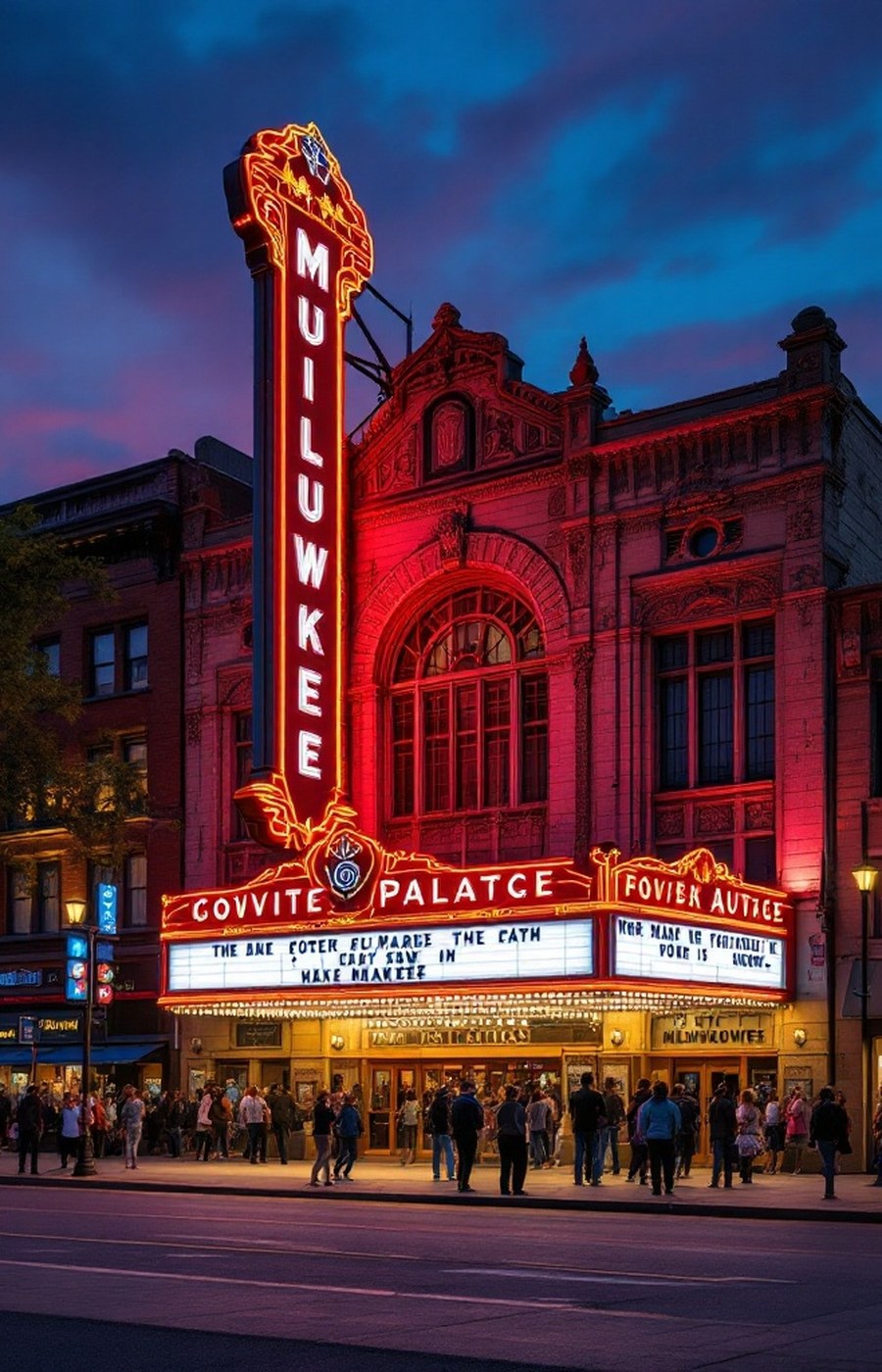
Milwaukee may be known best for its brewing traditions, but it is fast becoming known for a growing, thriving hub of entertainment and art. It is home to the Historic Third Ward, where you'll find art galleries, theaters, specialty boutiques and a wide variety of restaurants. One of the city's most outstanding cultural attractions is the Milwaukee Art Museum, whose moving sunscreen resembles a great bird as it unfolds. But one of the city's biggest draws is its extraordinary festivals — the reason it earned the nickname "City of Festivals."
Milwaukee holds a number of ethnically themed festivals over the summer to celebrate the city's diversity and history. Summerfest is not only the biggest festival in Milwaukee, but one of the largest music festivals in the world, drawing over a million music lovers a year. There are festivals for art, for food — and for film. The Milwaukee Film Festival offers something for everyone, and it is an experience every film lover will relish.
The 2017 Milwaukee Film Festival featured 297 films and shorts shown at two galleries and five different theaters, including historic houses like the Rosebud Cinema Drafthouse, Times Cinema, the Avalon Atmospheric Theater and — for the first time — the Oriental Theater. Among the year's most entertaining festivals, it serves up some of the best independent films, documentaries and shorts around. Here are some of the top films that played at the festival:
Citizen Jane: Battle for the City
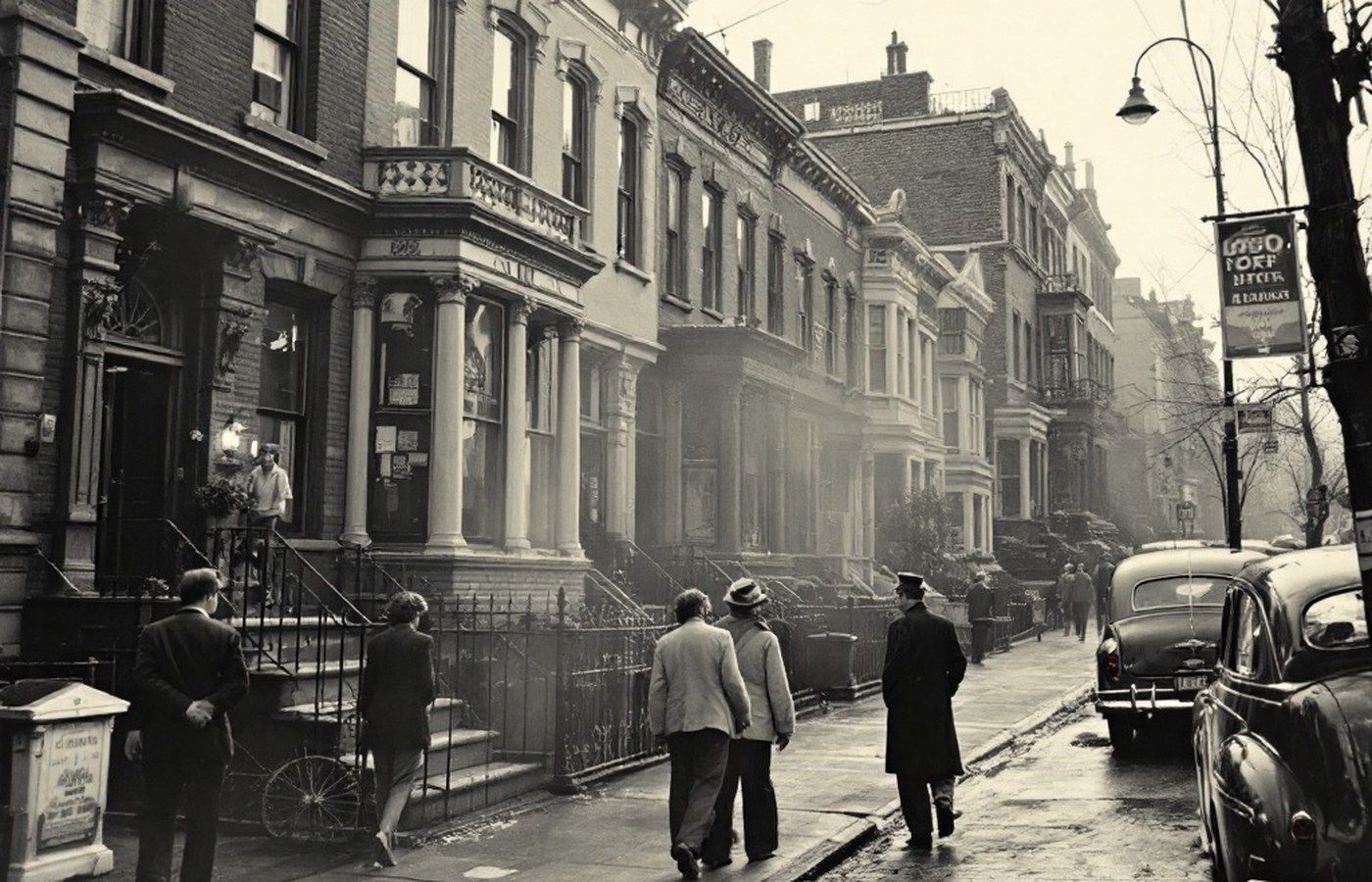
Named after Jane Jacobs, the godmother of urbanism, this documentary follows the feud between Jacobs and Robert Moses, head of several New York agencies including the Triborough Bridge Authority. If you're a fan of Jacobs — whose book The Death and Life of Great American Cities revolutionized the field of urban planning — you'll love this film.
The Blood Is at the Doorstep
Local filmmaker Erik Ljung brings the sensitive subject of police killings home to the city of Milwaukee. The documentary follows the Hamilton family after former police officer Christopher Manney shot and killed Dontre Hamilton.
Landline
This dramedy stars Jenny Slate, John Turturro, Jay Duplass and Edie Falco. As the last film of the festival, it is sure to bring out the laughs — and maybe some tears. Set in early-1990s New York City, it follows two sisters struggling with their relationships while fearing their father is having an affair.
Beyond the screen
Besides the films, the Milwaukee Film Festival also featured panels for people who want to get deeper into the film world. Among them:
Indigenous Voices in Film
Guest filmmakers discuss the importance of telling the stories of indigenous people, and their perspective on colonialism and racism.
State of Cinema in Milwaukee
Film critic Matt Mueller and local filmmaker Dr. Susan Kerns talk about what it means to watch — and make — film in Milwaukee.
State of Cinema: Talking Pictures with Ann Hornaday
Ann Hornaday, author of Talking Pictures: How to Watch Movies and top film critic for the Washington Post, talks about how to watch and write about movies at a time when media proficiency is seen as both a virtue and a provocation.
The Milwaukee Film Festival has everything a film lover could want. And when the screenings and panels wind down, you can party the night away at one of the many festival-themed events happening across the city.